Civilization III, developed by Firaxis Games and published by Infogrames in 2001, is the third installment of the famous turn-based strategy series created by Sid Meier. This game introduced innovative mechanics and significant improvements over its predecessors, offering a richer and more complex gaming experience. This article explores in depth the features of Civilization III, its innovations, and its lasting impact on the strategy game genre.

Game Context and Objectives
In Civilization III, players lead a civilization from Antiquity to the modern era. The goal is to develop a prosperous and dominant civilization through various means: military conquest, technological superiority, diplomacy or culture. Each game is unique thanks to randomly generated maps and dynamic interactions with other AI-controlled civilizations.
Main Features
Resource Management and Expansion
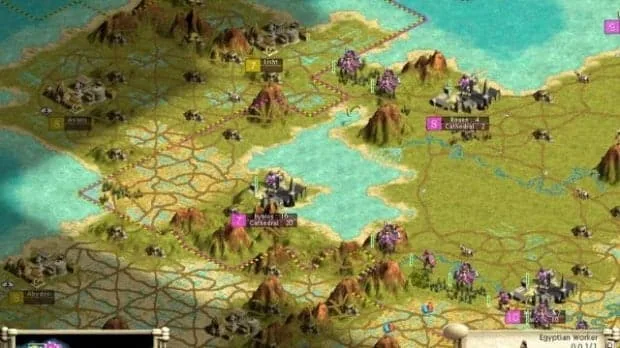
The game takes place on a map divided into hexagonal tiles, each representing a specific type of terrain. Players must manage natural resources, build cities and infrastructure, and develop technologies to make their civilization thrive. Resource management is crucial, influencing city growth and the ability to maintain armies.
Culture and Happiness System
Civilization III introduces a culture system where civilization borders automatically expand based on their cultural output. Monuments, wonders and cultural buildings play a key role in territorial expansion. In addition, citizen happiness becomes an important factor to manage, influencing city stability and productivity.
Diplomacy and Alliances
Diplomacy is a central aspect of Civilization III. Players can form alliances, sign peace or trade treaties, and negotiate with other civilizations. Diplomatic relations are influenced by factors such as political decisions, military conflicts and trade agreements.
Innovations and Improvements
New Types of Government
Civilization III offers a variety of government types that players can adopt, each with specific advantages and drawbacks. Government choices influence economic management, military production and diplomacy.
Strategic Resources
One of Civilization III’s major innovations is the introduction of strategic and luxury resources. Some units and buildings require specific resources, such as iron or oil, adding an extra dimension to resource management strategy and diplomatic relations.
Great Wonders and Small Wonders
The game distinguishes between great wonders, which are unique and offer considerable advantages to the civilization that builds them, and small wonders, which can be built by each civilization but offer lesser advantages.
Impact and Legacy
Civilization III had a significant impact on the strategy game genre. It perfected and enriched the formula established by its predecessors, setting new standards for turn-based strategy games. Its complexity and depth captivated players and critics, cementing the Civilization series’ reputation as one of the best in the strategy field.
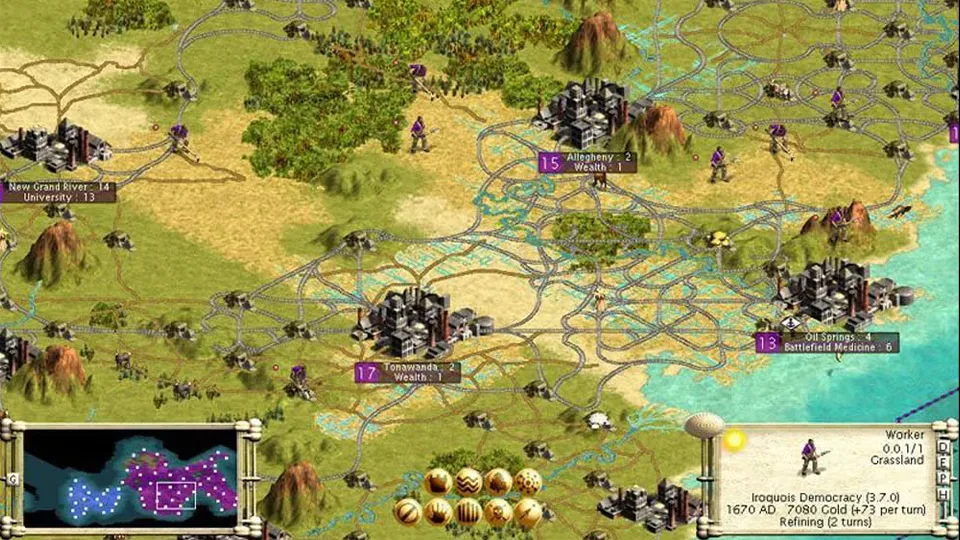
Civilization III remains a must-have for strategy game fans. Its unique blend of resource management, diplomacy, culture and conquest offers a rich and varied gaming experience. Whether you are a series veteran or a new player, Civilization III offers exciting strategic challenges and unmatched replayability.
It is also worth remembering how much Civilization III changed the pacing of the series: the corruption system, the larger maps and the happier-citizen mechanics pushed players to think about their empire’s interior as much as its borders, a habit the later games kept refining.