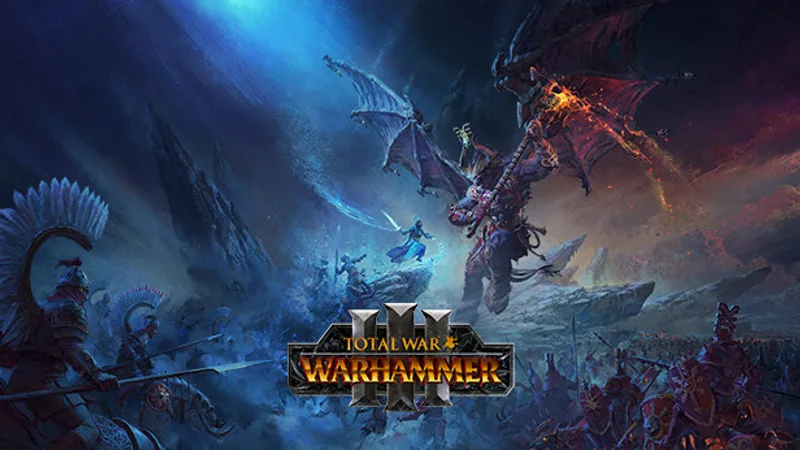
The Total War-Inspired Series: A Surprising Analysis
- An adaptation far from the essence of Total War.
- Unconvincing protagonist choices.
- An ambivalent tone between drama and entertainment.
- Visuals that seduce despite narrative weaknesses.
- A lesson about video game adaptations.
Table of contents
- Introduction: A TV Series That Catches Us Off Guard
- An Unexpected Adaptation of the Video Game
- Protagonists and Plots: Questionable Choices
- The Series’ Tone: Between Drama and Television
- Why Does This Series Work Anyway?
- Conclusion: A Lesson to Remember
Introduction: A TV Series That Catches Us Off Guard
If you are a strategy game fan, especially of the Total War saga, you have surely heard about the new TV series inspired by it. But hold on, because what we discovered about this adaptation is simply incredible. Indeed, this series does not seem to be exactly what it claims to be. A real upside-down game plan that could well surprise you. So, ready to dive into the universe of this series that has manipulated us all?
An Unexpected Adaptation of the Video Game
When you think of Total War, you picture epic battles, complex military strategies and deep respect for history. So you would expect the TV series to respect these elements, right? Well, not really. The promise of an adaptation faithful to the games quickly evaporated over the episodes. Instead, this series serves us a version very far from the very essence of Total War.
Strategy game fans were rather excited at the idea of discovering battles inspired by antiquity or the Middle Ages, highlighting great historical figures while being cleverly orchestrated. Yet the series seems to have chosen a different approach. There is more drama and TV twists at the expense of strategy and historical authenticity.
Protagonists and Plots: Questionable Choices
Another point that made Total War fans grind their teeth is the choice of protagonists. Instead of focusing on iconic historical characters, the series plunges us into often clichéd plots. We juggle between underdeveloped heroes, archetypal villains, and love stories that seem almost forced. It may seem “entertaining” to some, but for strategy purists, it is a bit like playing a board game without the rules.
It is indeed “a bit embarrassing” to see how much the series uses the Total War brand to pass off often lackluster plots. The characters find themselves trapped in predictable situations that remove the magic of the games. Where are the strategic decisions, the surprising alliances, and the last-minute twists? It feels more like a soap opera than a world of conquests!
The Series’ Tone: Between Drama and Television
Another essential point to address is the series’ tone. Yes, I know, it is “television”, but that should not mean the end of narrative coherence and strategy. Often, it feels like the writers set aside all coherence to favor exaggerated suspense and drama moments. You find yourself wondering if the creators really understood what attracted Total War fans.
The tone varies between serious and light, creating a sometimes disconcerting atmosphere. Each episode seems to want to captivate the audience with unexpected twists, but it feels like this strategy aims more at filling slots than giving real substance to the story. And that is where the trap lies: as fans, we end up wondering if we have been fooled from the start.
Why Does This Series Work Anyway?
Despite all these criticisms, we must admit the series managed to attract a certain number of viewers. Why? First, the production is quality. The special effects, art direction and even the soundtrack create an intriguing atmosphere. Video game universe enthusiasts are often seduced by the visual beauty, even if the narrative content is lacking.
Moreover, the series can reach an audience that does not necessarily know video games. It attracts drama fans, romance and conquest stories. For them, it hardly matters whether it resembles a Total War game. And finally, in this saturated TV landscape, any new series that manages to capture attention, even through its weaknesses, deserves to be watched.
For strategy fans, the takeaway is simple: judge an adaptation on whether it understands the game’s core loop — decisions, consequences and tension — rather than on how many swords appear on screen.
Conclusion: A Lesson to Remember
In short, the Total War-inspired series teaches us a valuable lesson about the relationship between video game adaptations and visual media. It reminds us that a game’s essence can sometimes get lost in the twists and turns of television. The illusion is strong, and it may well not be the last time we are deceived by an adaptation. It is a bit like a strategic battle where you constantly face unforeseen events. The Total War saga is full of twists, but this one, let us admit, deserves a separate grade. We will see whether the sequel manages to surprise us better or keeps hiding the truth behind TV plots.
FAQ
Q: Why did this series disappoint Total War fans?
A: The series does not respect the essence of the games, favoring drama and clichéd plots over strategy and historical authenticity.
Q: What is the tone of the series?
A: The tone varies between serious and light, with a lot of suspense, but without real narrative depth.
Q: Does the series attract new viewers?
A: Yes, it managed to attract fans of drama and romance, regardless of the connection to the video games.
See also
- Total War Rome 2
- Total War: Warhammer 3 - Game Guide and Fantasy Universe
- The Incredible Journey of Mike Simpson in Total War