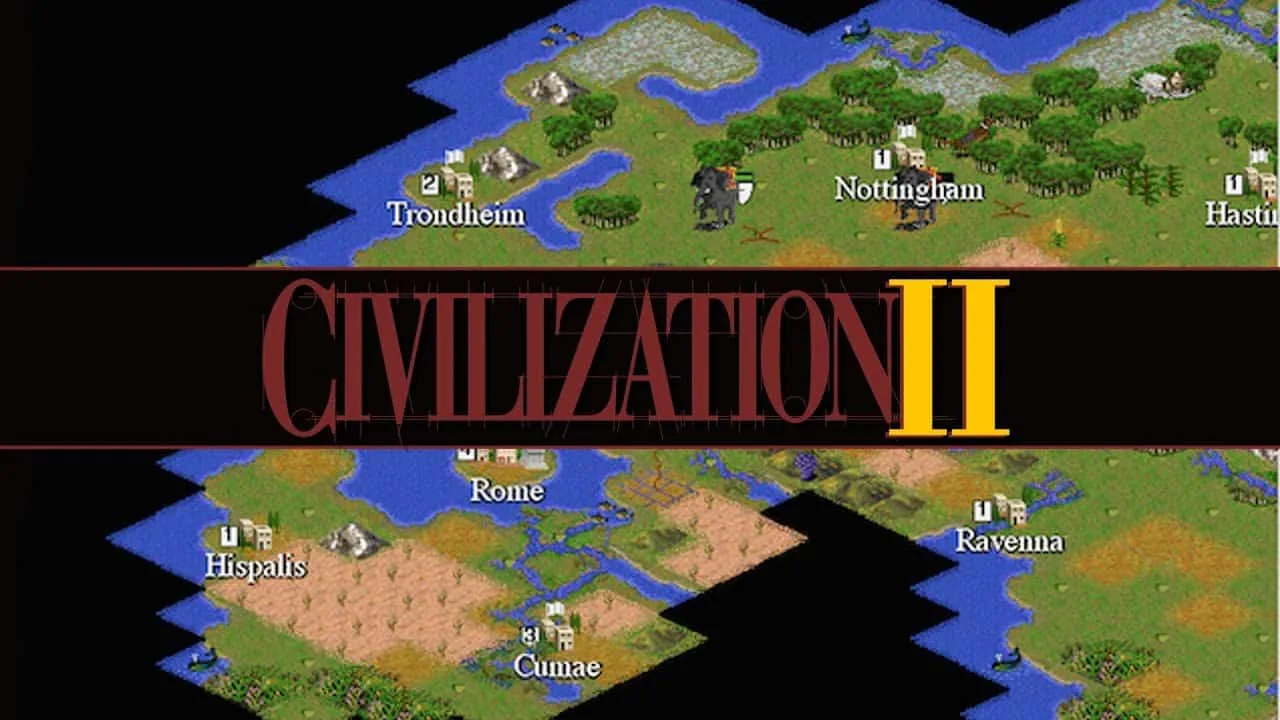
Civilization II, developed by MicroProse and released in 1996, is a cornerstone of turn-based strategy games. Sequel to Sid Meier’s legendary Civilization, this game perfected the original formula while introducing significant improvements. In this article, we will explore in depth the game mechanics, the improvements over the first installment, and the lasting impact of Civilization II on the strategy game genre.

Game Context and Objectives
In Civilization II, the player takes control of a civilization from the dawn of humanity to the space age. The main objective is to build a prosperous and dominant empire, whether through military conquest, technological superiority, diplomacy, or space colonization. Each game is unique, with randomly generated maps and dynamic interactions with other AI-controlled civilizations.
Game Mechanics
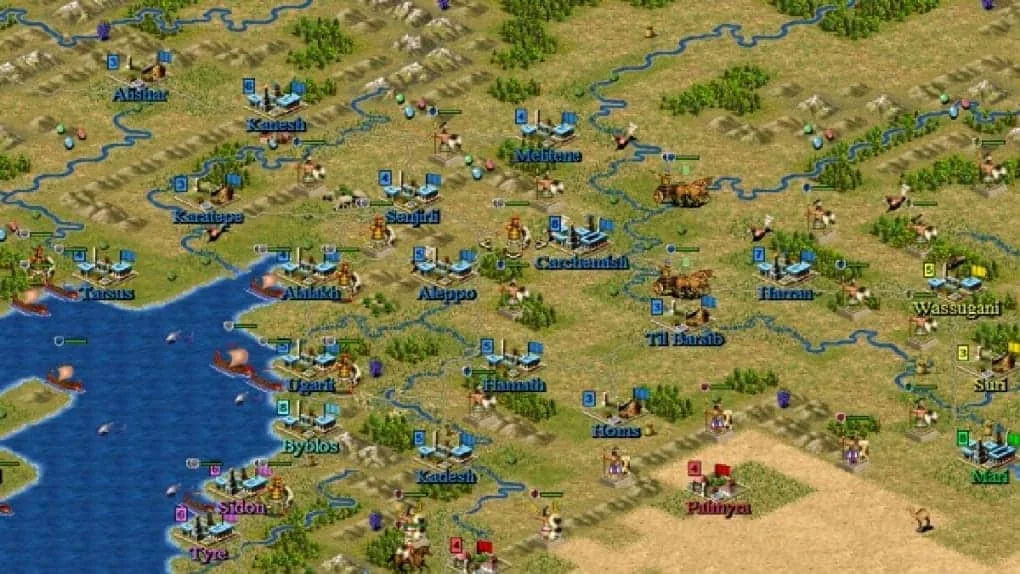
The game takes place on a map divided into squares, each square representing a specific type of terrain. Players must manage their resources, build military and civilian units, erect buildings and wonders, and develop new technologies. The technology tree is particularly crucial, as it determines access to more advanced units and structures.
Diplomacy and Conflicts
Diplomacy is a key aspect of Civilization II. Players can engage in negotiations to form alliances, sign peace treaties, or declare war. Managing international relations requires well-thought-out strategy, as alliances and conflicts can change quickly depending on the actions of other civilizations.
Improvements Over Civilization I
Civilization II brings many improvements over its predecessor:
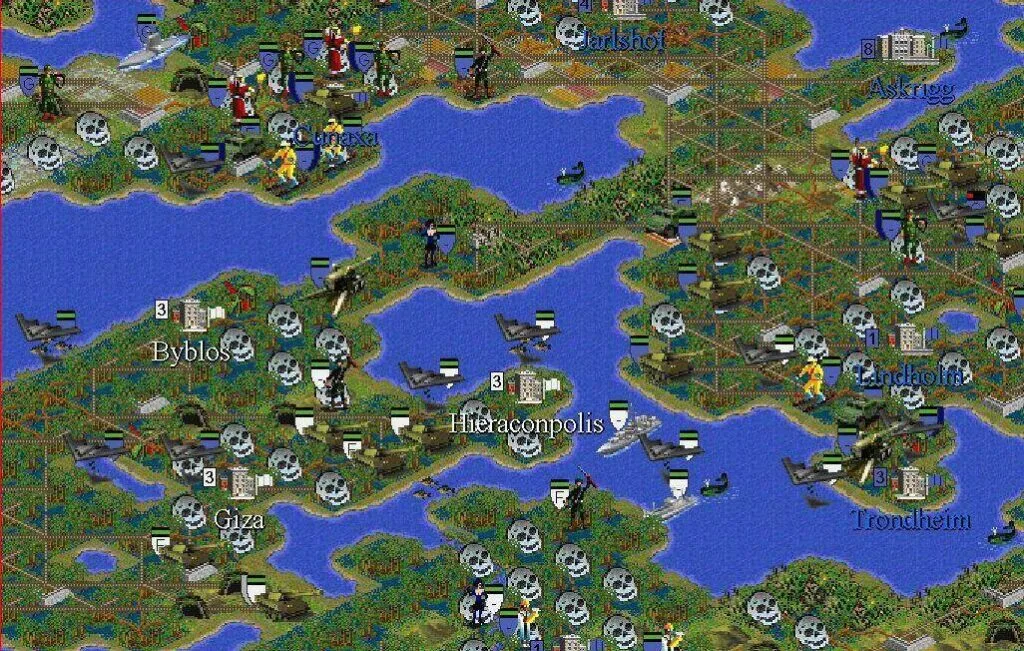
- Isometric graphics: the switch to an isometric view considerably improved the graphics, making the game more visually appealing and making the map easier to read.
- Improved artificial intelligence: the AI of other civilizations is more advanced, offering more complex challenges and more realistic interactions.
- New game mechanics: introduction of new concepts such as trade, different types of government, and more detailed management of resources and cities.
- Scenario editor: the game includes a scenario editor, allowing players to create and share their own custom scenarios, increasing replayability.
Impact and Legacy
Civilization II had a profound impact on the strategy game genre. It set high standards in terms of complexity, replayability and strategic depth. The game is still widely celebrated by fans and has influenced many other strategy games. Its popularity led to numerous sequels and expansions, each building on the solid foundations laid by Civilization II.
Beyond its mechanics, Civilization II also shaped how a whole generation discovered history through play: its advisors, civilopedia entries and animated leaders made every technology feel like a real milestone worth remembering.
Conclusion
Civilization II remains a timeless classic of turn-based strategy games. Its unique blend of empire management, military strategy and diplomacy makes it a rich and captivating experience. Whether you are a series veteran or a new player, Civilization II offers unmatched depth and complexity that continue to captivate players around the world.