
Europa Universalis 2: a last-chance launch for Paradox
Estimated reading time: 4 minutes
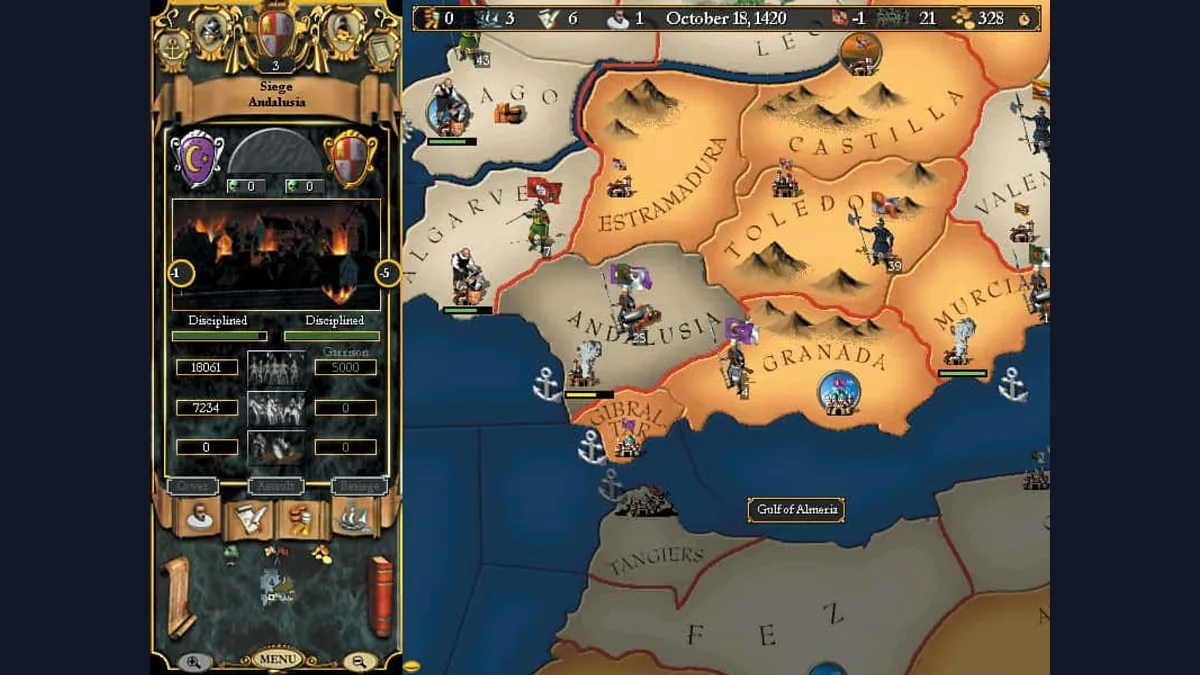
- Europa Universalis 2 was crucial to the survival of Paradox Interactive.
- The economic context in the early 2000s was tough for game studios.
- The launch marked a turning point in Paradox’s history.
- Development challenges were numerous and complex.
- This success established Paradox as a major player in strategy games.
A precarious economic context
At the dawn of the 2000s, game developers were facing a rapidly changing market. Big companies dominated, but small structures like Paradox struggled to make their mark. Money was sorely lacking, and development deadlines kept slipping, making the situation even more worrying. For Paradox, the stakes were simple: ship Europa Universalis 2 before Christmas and, in doing so, generate enough revenue to pay the team’s salaries.
The Paradox team quickly understood that the company’s survival depended on getting this game out on time. As one of the developers put it, it “had to happen” to make sure the game was available on the US market before Christmas. It was a matter of economic viability. They needed the money. Otherwise, they would not have been able to pay their employees.
Development challenges
Developing Europa Universalis 2 was no smooth ride. With limited resources and a team juggling several roles, the work was intense. The developers had to make tough decisions, sometimes involving compromises on certain features. The goal was clear: deliver a product that met fan expectations while making sure it was commercially viable.
To make things even harder, the developers had to integrate gameplay elements that made the first game a success, while adding new mechanics to capture players’ attention. A real feat, especially in such a tight timeframe. The team slept at the office, cut features on the fly and bet everything on a genre most publishers considered too niche to sell.
Why the US market mattered
Launching in America was paramount to Europa Universalis 2’s success. At the time, the United States was one of the biggest video game markets. Winning over that audience could mean the difference between survival and bankruptcy for Paradox. They knew the game had to live up to American players’ expectations, who are often very demanding on content and quality.
Paradox’s marketing teams worked flat out to make sure the game got maximum visibility. That meant investing in targeted ad campaigns and engaging with online player communities. Every detail counted, and every day of delay could have been costly. Localization, retail box production and certification all had to land in the same narrow window, with no room for a second attempt.
The consequences of this launch
Europa Universalis 2’s launch was a real turning point for Paradox. The game received a warm welcome from critics and players. Forums erupted to discuss the new features, and sales started to take off. This unexpected success let Paradox refill its coffers and keep developing.
The fallout went beyond the company’s survival. It also cemented Paradox as a must-play actor in strategy games. They were able to invest in new projects, grow their team and, above all, keep making ambitious games like the Crusader Kings and Europa Universalis series. Hearts of Iron and Victoria followed in the next two years, building the grand-strategy empire we know today.
The all-nations promise
One of EU2’s biggest changes was that every country on the map became playable for the first time — a scope leap that defined the series. Combined with its 2001 release on Windows (and later GOG), that breadth is a big part of why the game found its audience and why Paradox could keep hiring.
A lesson in resilience
The story of Europa Universalis 2 is a lesson in resilience and courage in the video game industry. This launch, originally a desperate attempt to save the company, became a source of inspiration for many developers. Paradox proved that with passion, creativity and grit, it is possible to overcome seemingly insurmountable obstacles.
Today, Europa Universalis 2 is often cited as one of the historical pillars of the strategy genre, and its success paved the way for even bolder titles from Paradox. In the end, this game was not just a product; it was the testimony of a team that gave everything to survive, and knew how to turn every challenge into momentum toward the future.
FAQ
What was Europa Universalis 2’s importance for Paradox?
Europa Universalis 2 was essential to Paradox’s survival, letting the company generate enough revenue to continue.
What challenges did development face?
The challenges included limited resources, the need to add new mechanics while keeping what made the first game work, and strict launch deadlines.
How did the launch impact the company long-term?
EU2’s success established Paradox as a major strategy-game actor, enabling new projects and team growth.