
Europa Universalis II: the desperate gamble that saved Paradox
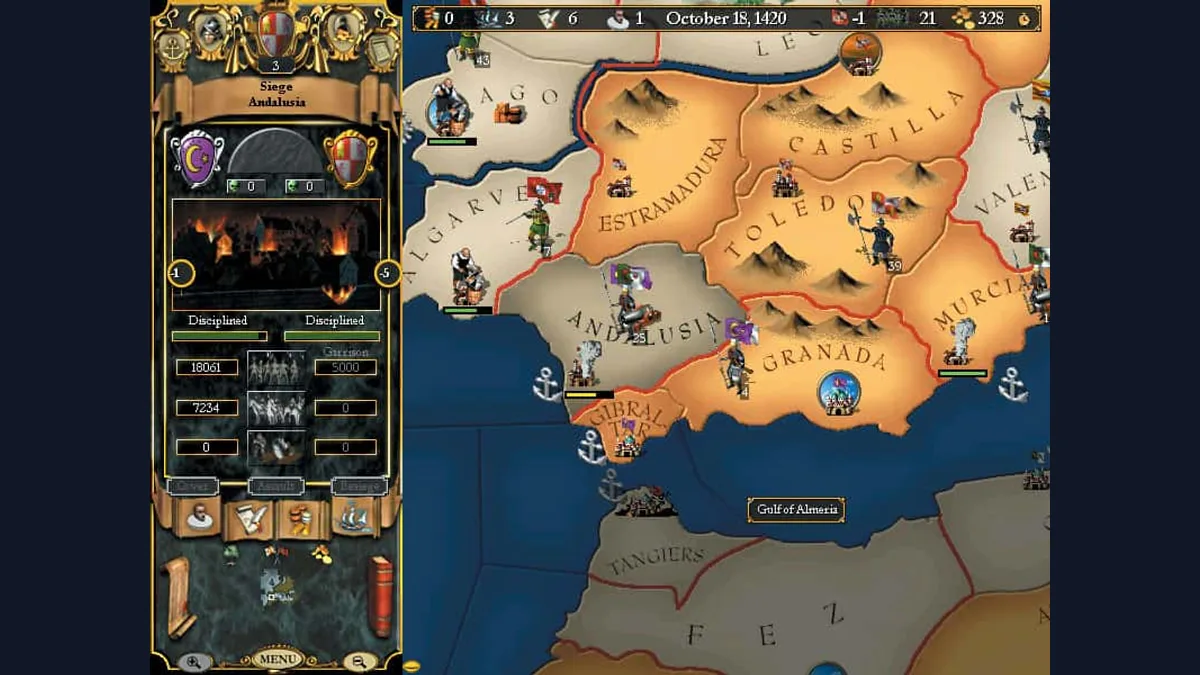
- A studio on the brink: in 2001, Paradox Interactive was close to bankruptcy.
- A niche game in a hostile market: a map of Europe from 1419 to 1820, nothing more.
- A rushed November 2001 release: buggy, unbalanced, shipped before Christmas in the US.
- A last-minute rescue: modest sales, a loyal community, and the studio survived.
- A lasting legacy: Crusader Kings, Hearts of Iron, Stellaris and Victoria 3.
Introduction
In 2001, Paradox Interactive was a small, unknown Swedish studio on the brink of bankruptcy. Europa Universalis II, its desperate sequel to an obscure 2000 strategy game, was the gamble that saved it. A niche title, it shipped in November 2001 on a shoestring budget into a market that did not ask for it.
Estimated reading time: 6 minutes
For players of 2001, this is the story of a cult classic — and of the studio that bet everything on it.
A studio on the brink
We are in 2001: Paradox Interactive, a small, unknown Swedish studio, is on the brink of bankruptcy. Its earlier release, Svea Rike III — a historical strategy game about Sweden — sold well, but only in Sweden. Abroad, nobody knows or cares about Paradox. The studio has bet big on a new project: Europa Universalis II, an ambitious sequel to a 2000 strategy game that went unnoticed. But this time, the stakes are different: what matters is no longer success, only pure and simple survival. Johan Andersson’s chilling verdict — “It needs to be done so it’s sold in the US market before Christmas, because we need the money, else we cannot pay people” — says it all.
The game was developed by Paradox Development Studio and published in North America by Strategy First (Vision Park in Sweden, Ubi Soft in the UK). The Windows version launched in North America on 15 November 2001. Sweden followed on 25 January 2002 and the UK on 5 April 2002; a Mac port arrived in North America on 21 May 2003.
A niche game in a hostile market
At the time, real-time strategy games ruled the landscape: Age of Empires II, StarCraft and Command & Conquer topped the charts, while turn-based grand strategy was a niche market. Worse: American players, the main sales target, were not used to such titles. Europa Universalis II is no blockbuster — no eye-catching graphics, no cinematic campaign, no accessible multiplayer.
Just a map of Europe (and the world) from 1419 to 1820, deep economic and diplomatic mechanics, and a steep learning curve. Yet Paradox has no choice: the studio is betting everything on this title, with a tight budget and a small team. The game must come out at all costs before the end-of-year holidays, a key period for sales — in practice, that is the only window the studio has. No postponing, no failure.
The poker move: a rushed release
Development of Europa Universalis II is chaotic: the game is buggy, unbalanced, and lacking in polish. But Paradox has neither the time nor the money to refine the product. The release date is set: November 2001. So the studio improvises: no TV ads, no subway posters, no partnerships with big gaming sites. Instead, it bets on word of mouth — the message to a few journalists and influencers: “Try it, and if you like it, talk about it” — and against all expectations, it works.
Reviews are mixed, but what helps is that the players who hook into the game become fervent ambassadors: strategists in search of depth, history buffs, players ready to spend hours managing empires.
A last-minute rescue
Sales are modest, but sufficient. The game sells just enough for Paradox to hold on into 2002. It builds a loyal community, ready to follow the studio on its next projects. Paradox has survived. But above all, the studio has learned a crucial lesson: what matters is not budget but focus — target a precise audience and stick to it. No need to follow trends or copy the successes of others — do what you love, and find those who share that passion.
The legacy of a game that changed everything
This game is not just the one that saved Paradox: it laid the foundations of what the studio would become, a specialist in deep, niche strategy games. Without this desperate gamble, there might never have been:
- Crusader Kings, the series that popularised strategy-dynasty RPG hybrids.
- Hearts of Iron, the most detailed wargame about the Second World War.
- Stellaris, which took the grandeur of Paradox into space.
- Victoria 3, the triumphant return of a cult franchise.
Today, Paradox is a respected publisher, with franchises that generate millions of sales — the gamble pays off. But in 2001, all of that hung by a thread: a strange game, released too early, into a market that was not waiting for it.
Why Europa Universalis II remains a model
The story of Europa Universalis II is a valuable reminder for the video game industry:
- A niche title can save a studio — you do not always have to aim for the general public; a small, passionate community beats a million indifferent players.
- Timing can matter more than perfection — sometimes shipping a “good enough” game on time beats aiming for perfection and missing the window.
- Word of mouth is a powerful weapon — an engaged community can lift a game without a marketing budget.
- Apparent failures can hide opportunities — Europa Universalis I was a flop; without it, no sequel, and Paradox might have disappeared.
And today?
More than 20 years after its release, Europa Universalis II remains a cult game. Not for its graphics, which have aged badly, nor for its accessibility, but for its boldness. It was a game that refused compromises — the risk was total, and the developers believed in their vision anyway. Paradox has known highs and lows since — the catastrophic launches of Imperator: Rome and Victoria 3 bear witness. But the studio has always kept that philosophy: make games for enthusiasts, even if it baffles everyone else. If Europa Universalis II had failed, the strategy game landscape would be radically different today. Fortunately for us, Paradox dared to take that desperate risk.
FAQ
When was Europa Universalis II released?
The Windows version launched in North America on 15 November 2001. Sweden and the UK followed in January and April 2002, and a Mac port arrived in May 2003.
Who developed and published Europa Universalis II?
Paradox Development Studio developed it; Strategy First published it in North America, with Vision Park in Sweden and Ubi Soft in the UK.
What is Svea Rike III?
It is the Swedish name of Europa Universalis: Crown of the North, released in Sweden in 2000 and internationally in 2003.
See also
- How Europa Universalis II saved Paradox
- The legacy of Europa Universalis after 25 years
- When creativity suffocates under design documents
- All grand strategy games
- All RTS games
Sources
Sources
- en.wikipedia.org /wiki/Europa_Universalis_II
- en.wikipedia.org /wiki/Europa_Universalis:_Crown_of_the_North
- pcgamer.com /games/strategy/europa-universalis-2s-launch-was-a-desperat…
- pcgamer.com /games/strategy/25-years-of-making-history-europa-universal…
- mezha.ua /en/news/europa-universalis-2-save-paradox-305868/
- video-games.fandom.com /wiki/Europa_Universalis_II