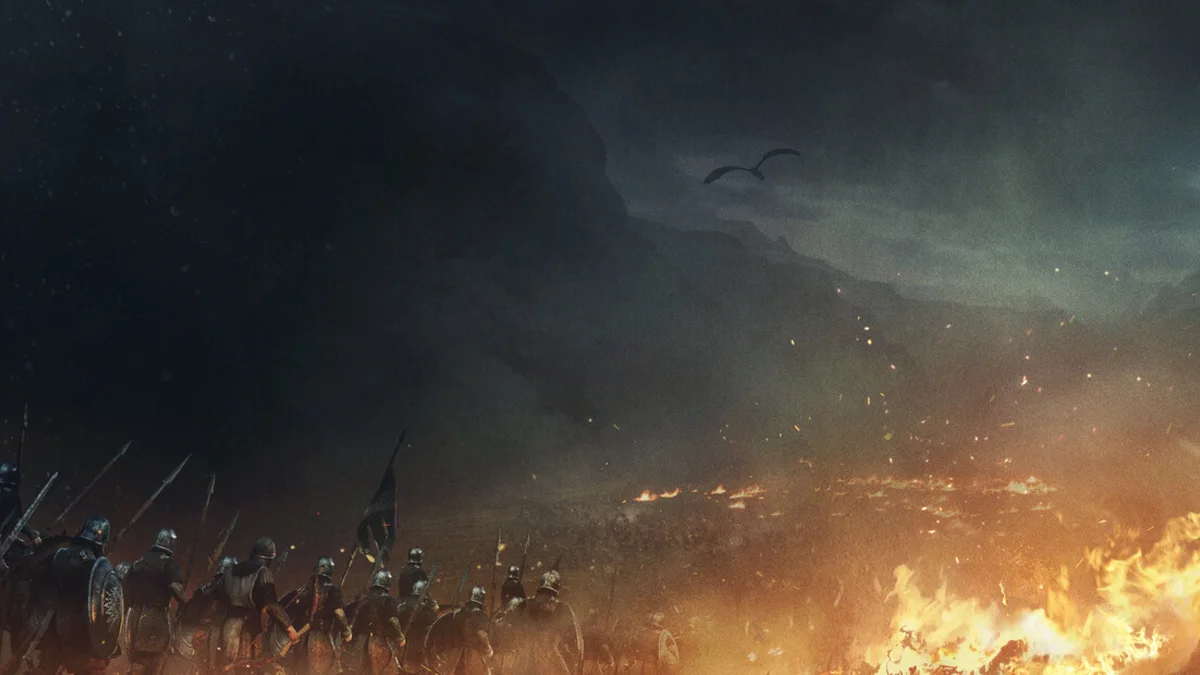
More than a year after its announcement at Summer Game Fest 2025, Game of Thrones: War for Westeros finally showed gameplay at Gamescom Opening Night Live on August 25, 2026. PlaySide Studios also confirmed that the PC release, first promised for 2026, slips to early 2027. The reveal is concrete and well structured, but it raises a real question: has the studio built an RTS whose factions genuinely play differently, or a licence showcase dressed up as real-time strategy?
Four factions, four ways to wage war
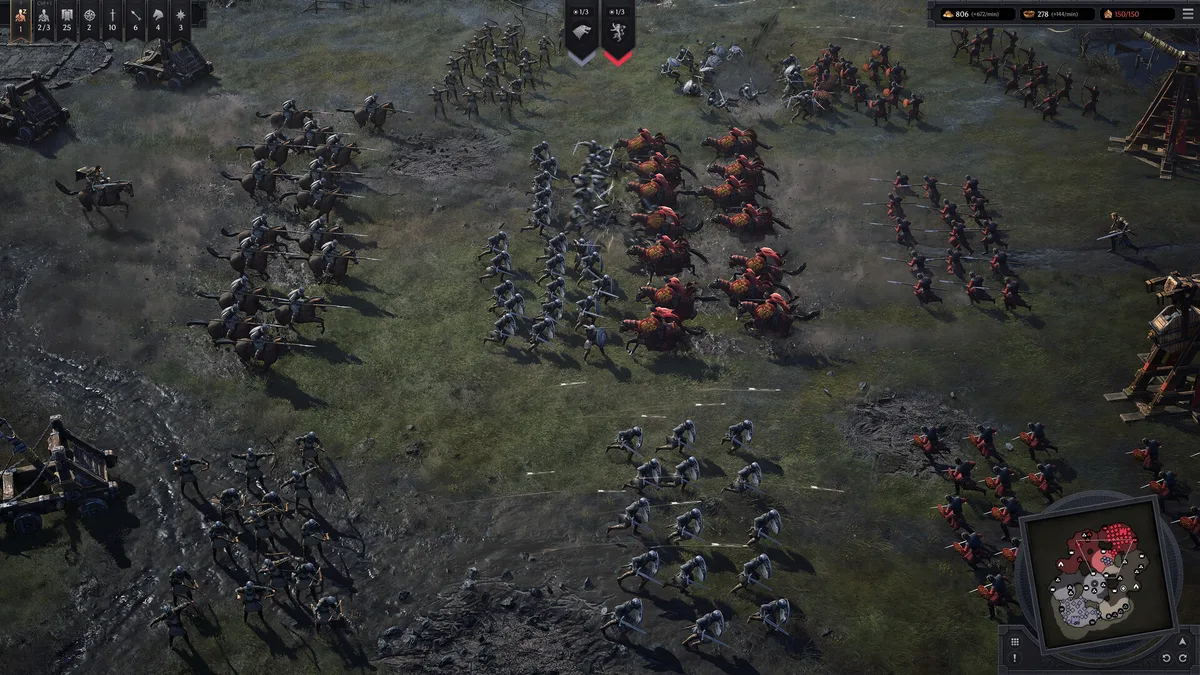
The trailer confirms four playable factions: House Stark, House Lannister, House Targaryen and the Night King’s Army of the Dead. Each has its own armies, buildings and mechanics, which PlaySide pitches as an “asymmetric” RTS. The gameplay shown is that of a classic RTS: you train troops, build, gather resources and capture enemy territory on the way to the Iron Throne. The game will offer both solo and multiplayer modes.
The word “asymmetric” carries a lot of weight. At its best, as in StarCraft II or Company of Heroes, each side forces different decisions on you: tempo, resources, win conditions. At its worst, you get a renamed tech tree and a different colour palette.
The reveal does not yet say which side of that line War for Westeros falls on. The only faction that promises a real break is the Army of the Dead: a faction of revenants should not play like a human house, but PlaySide has detailed neither its economy nor its tech tree. The risk is balance: it is also the faction that will be hardest to tune in multiplayer.
Eight heroes, including two direwolves
The trailer names eight heroes: Robb Stark, Jon Snow, Ghost, Grey Wind, Jaime Lannister, Tywin Lannister, Daenerys Targaryen and the Night King. The notable detail is that Ghost and Grey Wind, the direwolves of Jon and Robb, appear as heroes in their own right rather than as simple companions.
That is a design choice with real potential. If each direwolf has a distinct tactical profile, Stark players must manage two mobile, fragile units on top of their leader, while the Lannisters concentrate their power on Jaime or Tywin. That split attention under pressure will decide how readable matches are.
Daenerys and the Night King also appear in the trailer, but no figures on the dragons or on hero abilities have been published. Even so, the eight heroes cover enough archetypes to give each faction a recognizable identity on the battlefield.
What the reveal does not say yet
PlaySide Studios, based in Melbourne, develops and publishes the game under an HBO licence granted through Warner Bros. Interactive Entertainment. The trailer shows large-scale battles that stay readable, which is what you expect from an RTS in 2026.
It says nothing about the length of a typical match, the depth of the economy, the solo campaign or, above all, whether the asymmetry holds up in a competitive meta. Those are the questions the beta has to settle before the early 2027 Steam launch. No price has been announced either.
What to watch
No beta date was given at Gamescom: PlaySide only says it will happen later in 2026 and that participation details will follow, with the official newsletter as the relay. If faction asymmetry is the real bet of War for Westeros, that test is where the game will be judged, not the Gamescom trailer.
Going further
Sources
- Game Of Thrones
- War For Westeros
- RTS
- Playside Studios
- #Gamescom 2026