Stardock Entertainment is a key player in the video game industry, recognized for its contributions to strategy games, utility software and user interface innovations. Founded in 1991 by Brad Wardell, Stardock stood out through its unique approach to game and software development, notably emphasizing customization and technological experimentation.
History and founding
The early days
Stardock was originally founded to develop software for the OS/2 platform, an alternative operating system to Windows developed by IBM. However, due to the decline of that platform, the company had to pivot to Windows software development. This strategic shift allowed Stardock to focus on creating desktop customization software, such as WindowBlinds and Object Desktop, which met with immediate success.
Expansion into video games
Stardock’s entry into the video game industry was marked by the launch of Galactic Civilizations in 2003. This turn-based space strategy game was widely praised for its depth and engaging gameplay, immediately establishing Stardock as a quality strategy game developer. Riding that success, the studio went on to develop popular titles such as Sins of a Solar Empire and Elemental: War of Magic.
Iconic games
Galactic Civilizations
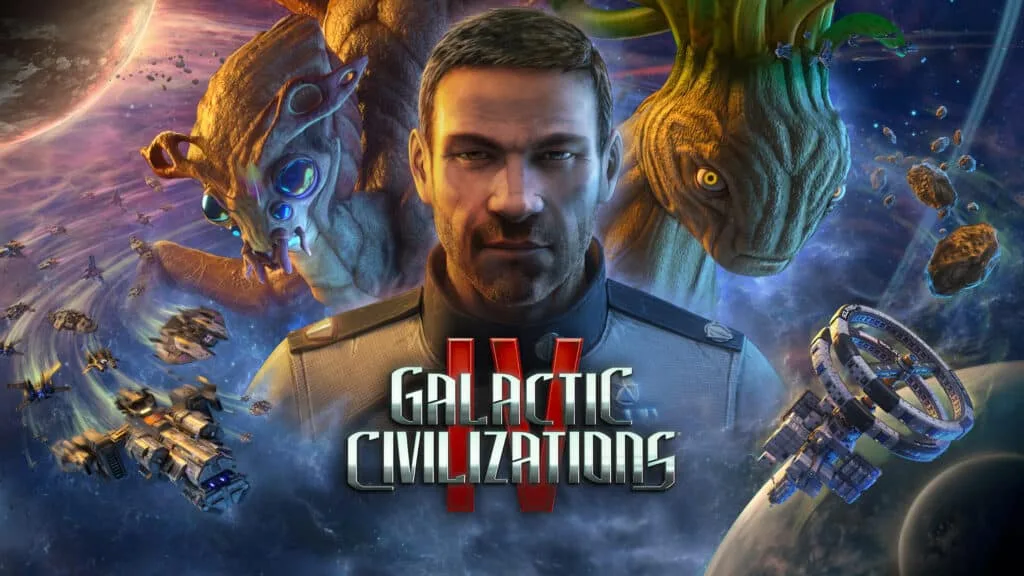
Galactic Civilizations remains one of Stardock’s flagship titles. The game lets players lead a galactic civilization, colonize planets, develop technologies and wage war against other civilizations. The series is recognized for its strategic complexity and sophisticated AI, offering a rich, stimulating gaming experience.
Sins of a Solar Empire

Released in 2008, Sins of a Solar Empire is a real-time strategy (RTS) game that mixes 4X strategy elements, which sets it apart in the genre. The game was acclaimed for its unique combination of large-scale management and real-time space battles, offering exceptional strategic depth.
Ashes of the Singularity

Ashes of the Singularity, released in 2016, is another landmark Stardock title. Using the Nitrous engine, the game was one of the first to fully exploit multi-core processors, enabling massive battles with thousands of units on screen. This title highlighted Stardock’s ability to innovate technically while creating engaging gaming experiences.
Customization software and utilities
Alongside video games, Stardock has a long history in developing desktop customization software and utilities for Windows. Programs like WindowBlinds, which lets users customize the appearance of the Windows interface, and Fences, which helps organize desktop icons, have become must-haves for many PC users.
Object Desktop
Object Desktop is a software suite that lets users fully customize their Windows experience. It includes various tools to change the appearance, improve productivity, and add new features to the operating system. Stardock has always been at the forefront of user interface customization innovation, letting users create a desktop environment that matches their specific needs.
Business model and distribution
Stardock adopted a business model focused on direct sales via digital platforms. The studio was one of the pioneers in distributing software and games through online services, notably with Stardock Central, a digital distribution platform launched well before modern platforms like Steam became dominant. This model allowed Stardock to remain independent and maintain full control over its products and their distribution.
Innovations and contributions
Metaverse
Stardock has also explored cutting-edge concepts such as the metaverse. Although the concept is still in its infancy, Stardock has experimented with persistent virtual environments, paving the way for new forms of digital interaction and online gaming.
Community involvement
One of Stardock’s strengths lies in its close relationship with its community. The studio is known for listening to player feedback and incorporating user suggestions into its products. This collaborative approach has not only strengthened community loyalty, but has also helped continuously improve the quality of Stardock’s games and software.
Challenges and outlook
Like any company, Stardock has faced challenges, notably with the launch of Elemental: War of Magic, which was criticized for bugs and technical issues. However, the studio learned from its mistakes and bounced back with more polished, better-received titles.
Stardock continues to explore new technologies and push the boundaries of what is possible in video games and software. With ongoing projects leveraging artificial intelligence and large-scale simulation, Stardock’s future looks promising.
In recent years, Stardock has also invested in AI-assisted tools and large-scale simulation, betting that smarter engines will let smaller teams build the kind of massive strategy games that used to require huge studios. That bet aligns with the company’s long habit of doing more with less: from OS/2 utilities to 4X epics, Stardock has always grown by staying independent and close to its players.
Conclusion
Stardock Entertainment has firmly established itself as an innovative leader in strategy game development and customization software. Its commitment to quality, technological innovation and community satisfaction has allowed it to remain relevant and respected in the industry. Whether through games like Galactic Civilizations or software like WindowBlinds, Stardock continues to set high standards in its fields of expertise, defining and redefining the standards of strategy and simulation games.
See also
- Sins of a Solar Empire II Harbinger: the Eidolon, the faction that does not build its ships
- All grand strategy games