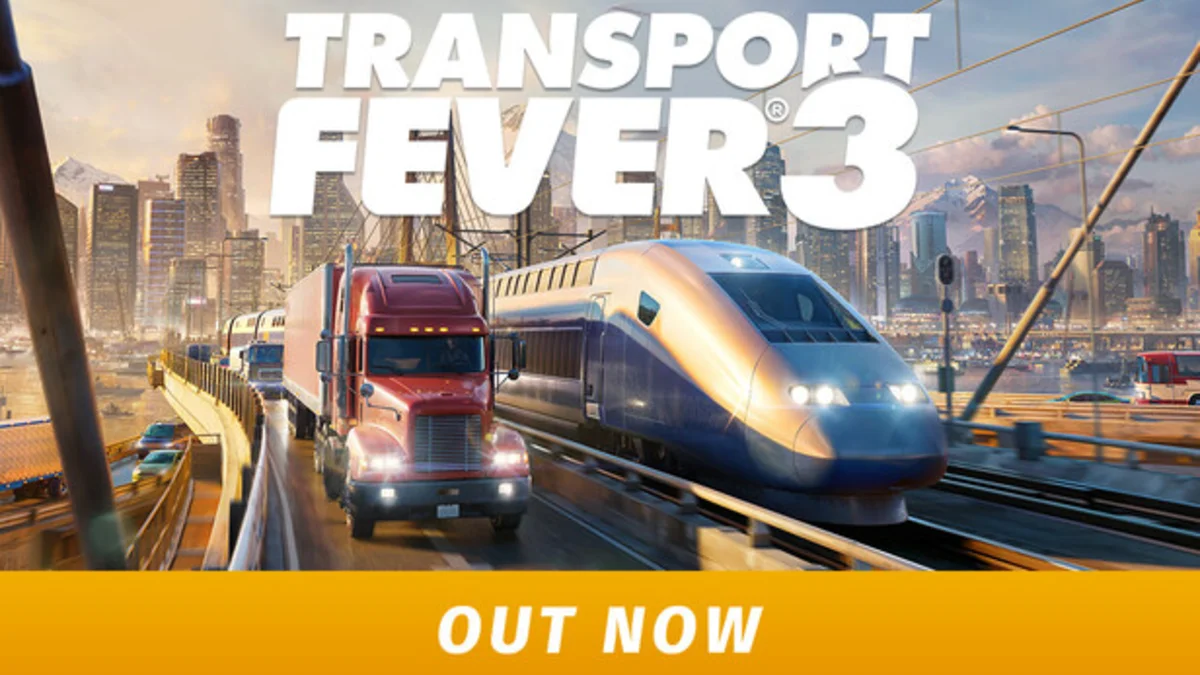
Transport Fever 3 launched on September 29, 2026 on PC, PS5 and Xbox Series X|S. Urban Games, the Swiss studio behind Train Fever, keeps the transport tycoon formula but rebuilds map generation, city life and vehicle upkeep. Early reviews call it a solid sequel rather than a revolution.
Update, October 26, 2026: Urban Games has released two stability updates for PC, Mac and Linux, on October 8 and 22 (official site, GameWatcher). The PS5 and Xbox update was still in testing on October 22, with no date. On Steam, player reviews sit at “Mostly Positive” (72% of 3,094 reviews, Steam page).
What really changes in Transport Fever 3
Node-based maps and four biomes
Map generation moves to node-based technology. Biomes can blend within a single map, for example swamps leading into a coastline. In tycoon mode you pick from four climate zones: temperate, subarctic, tropical or dry. The game spans more than 125 years of transport, from horse-drawn carriages to passenger jets, with over 275 vehicles and more than 35 industries.
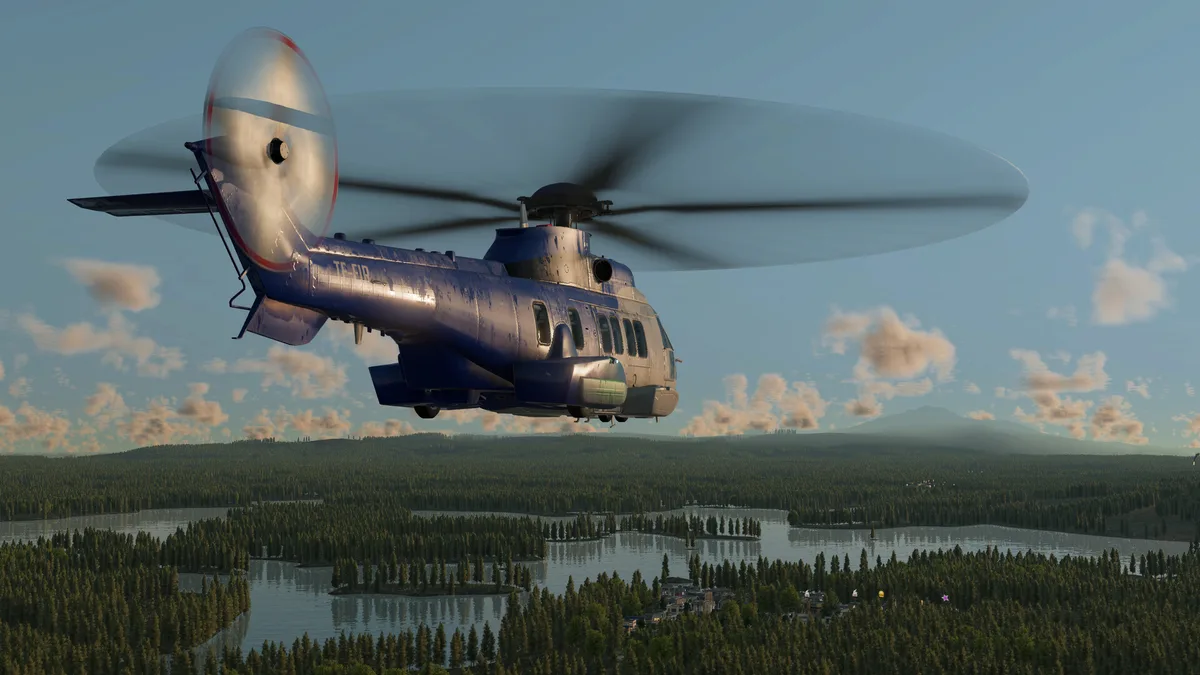
The game also adds a day-night cycle and dynamic weather. According to PCGamesN and Gaming Sanctum, these effects stay visual and do not affect management: they give the world life, not the network constraints.
Cities that react to nuisances
Cities now weigh service quality, noise, air pollution and the company’s reputation. PCGamesN reports that widening a road through a town lowers its reputation, and marketing campaigns can win residents back. Gaming Sanctum adds that noise barriers and trees reduce these nuisances.
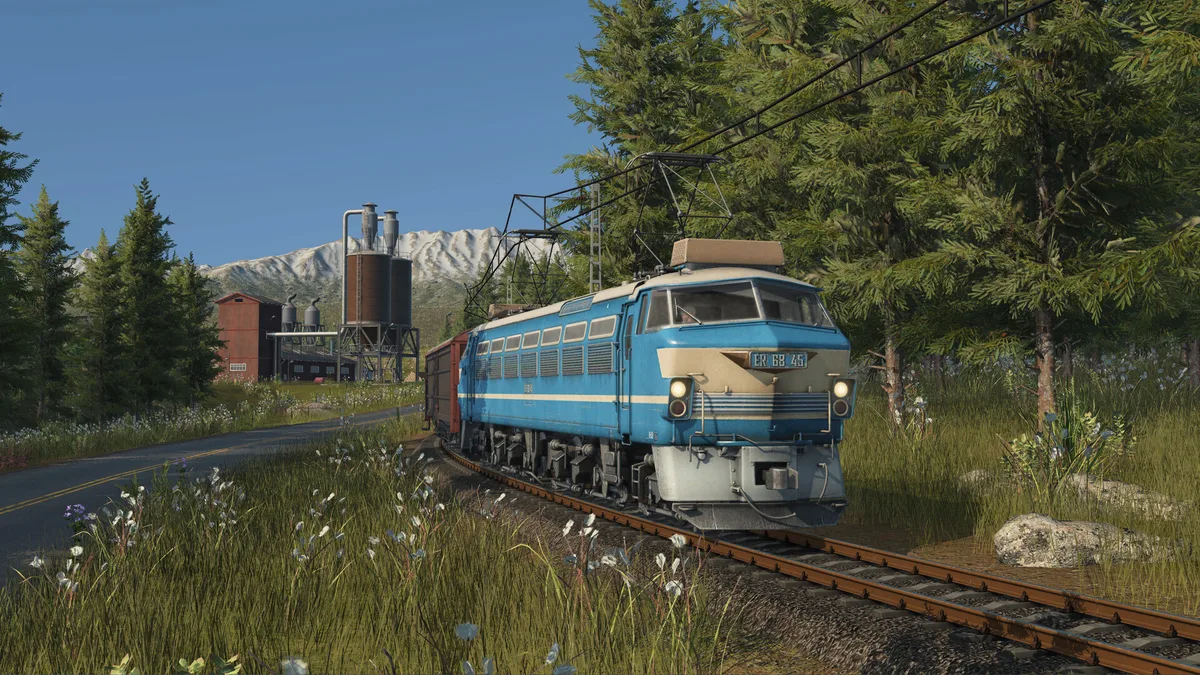
Towns also have levels to reach as they grow, with a detailed view of which needs are met. In other words, a new bus or tram line is no longer judged by passenger numbers alone: it also has to cope with noise and reputation.
Contracts, upkeep and freight logistics
Towns and industries offer contracts: an upfront bonus, an ongoing subsidy if the deadline is met, and a fine for failure. Gaming Sanctum notes that penalties can outweigh the rewards. Players can also pay to prospect for resources instead of leaving the algorithm to place industries.
Maintenance depends on facilities with a limited coverage radius. Outside it, a vehicle wears down, slows and can break down. Freight runs through warehouses and stations that can be specialized: faster loading and better-preserved cargo, at the cost of versatility.
Price, editions and platforms
On PC the Standard Edition costs €49.99 ($49.99 in the US) and the Deluxe Edition €64.99. The latter adds vehicles such as the Concorde, landmarks such as the Eiffel Tower, three maps and four animals. The game is sold on Steam, the Epic Games Store and GOG, plus PS5 and Xbox Series X|S. A €119.99 Collector’s Edition, limited to 10,000 copies, rounds out the line-up.
What to watch
The main risk is familiarity. PCGamesN points out that much of the interface and many buildings carry over from Transport Fever 2, with a game goal that stays close. On paper the map and city overhaul delivers, but the core of the game does not change.
A second point to watch is clarity. A Gaming Trend preview regretted that the game explains poorly why a traffic jam forms or how to fix it. Finally there is launch stability, which the two October updates have started to address.
Going further
Sources
- Transport Fever 3
- Urban Games
- #Paradox Interactive
- Tycoon
- #City Builder
- #2026